How to Plan a Regional Wedding From Sydney: A Realistic 12-Month Timeline
If you live in Sydney and you've fallen for a vineyard in Orange, sweeping views in Mudgee, or a homestead somewhere out past the Blue Mountains, you already know the trade off. The setting is the whole reason you're doing this. But planning a wedding two, three, sometimes five hours from where you actually live comes with a different rhythm than planning one five minutes from your own kitchen table.
I'm a wedding photographer based in Orange, and most of my couples plan exactly this kind of wedding. They live in Sydney, they work full time, and they're building a regional wedding around weekend trips, group chats with vendors they've never met in person, and a lot of trust in people who live where they don't. It works. It works really well, actually. But it works best with a timeline that accounts for distance, not one borrowed from a wedding blog written for a bride who can pop into her florist on a Tuesday lunch break.
Here's the timeline I'd actually give a friend.
Months 12 to 10: Choose your region before you choose your venue
Before you fall in love with a specific barn or vineyard, spend a little time on the region itself. Orange, Mudgee, the Hunter Valley, the Blue Mountains, and Canberra all feel different once you're standing in them, not just scrolling past them. Orange has that high-altitude, four-seasons, cool-climate wine country feel. Mudgee is warmer, older, more classic vineyard. The Hunter is bigger and more established as a wedding destination, which comes with more infrastructure but also more competition for dates. The Blue Mountains gives you drama and mist and mountains right there in your photos. Canberra sits in between, a little more architectural, a little more lake and bushland.
Drive time from Sydney matters more than people expect. Orange and Mudgee both sit around three to three and a half hours out, which tends to turn the wedding into a proper weekend away for your guests rather than a long day trip. The Hunter and Blue Mountains are closer, which some couples prefer for exactly that reason. There's no wrong answer here, just a genuine trade off between "immersive weekend" and "easier for everyone to get to."
Once the region feels right, start a shortlist of venues and get in touch. Regional venues, especially the good ones, get booked out twelve to eighteen months ahead for peak season weekends (autumn and spring, mainly). If you have a date and a region you love, this is the moment to move.
Months 10 to 8: Lock in your venue, then your photographer
Your venue sets almost everything else. Once it's booked, your date is fixed, your guest capacity is roughly known, and you can start building the rest of the day around it.
I'd book your photographer close behind the venue, not months later. Good regional photographers only take a certain number of weddings a season, and the ones who shoot regularly at your chosen venue will already know its light, its best corners, and how the day tends to flow there. That familiarity is genuinely useful. It means less time on the day spent figuring things out and more time spent actually being in it.
Months 9 to 7: Build your vendor team using the grapevine
This is the part that trips people up most, because it's the part where distance actually starts to matter. You can't just wander down the road and meet six florists over a few weeks the way you might at home. So use the resource that already exists in every regional wedding scene: the referral network between vendors themselves.
Vendors who work regularly in the same area know each other, and they know who does good work. Once you start asking around, you'll notice the same names coming up again and again for each category, hair and makeup, florals, celebrants, hire and styling, and that repetition is worth paying attention to. It's not a coincidence. It usually means those people work well together and turn up reliably, which matters more than it sounds like it should when everyone is travelling in for the same day.
Your venue is often the best place to start asking. Venues sit at the top of the booking chain in a region, they see more weddings than almost anyone else, and they've usually got informal but well-earned opinions about who to call for what. If your venue coordinator mentions the same florist twice without being asked, that's worth noting.
Because you're not local, it's also worth building at least one trip to the region into your planning purely for vendor meetings, ideally alongside a venue visit so the trip does double duty. A coffee catch up, or even better, meeting a vendor at the venue itself, tells you a lot more than an email thread ever will. You get a feel for how they communicate, whether your ideas land the way you meant them, and whether the working relationship is going to be easy. Beyond that, do the digital homework too: their Instagram, their blog if they have one, and their Google reviews will usually round out the picture and help you work out who's actually the right fit for you, not just who's available.
One more thing worth knowing: local vendors typically don't charge travel fees, which can add up meaningfully once you're booking six or seven people to travel two or three hours each. It's a practical reason to lean local where you can, and a nice flow-on effect of that choice is that your budget stays in the region and supports the small businesses that make places like Orange and Mudgee what they are.
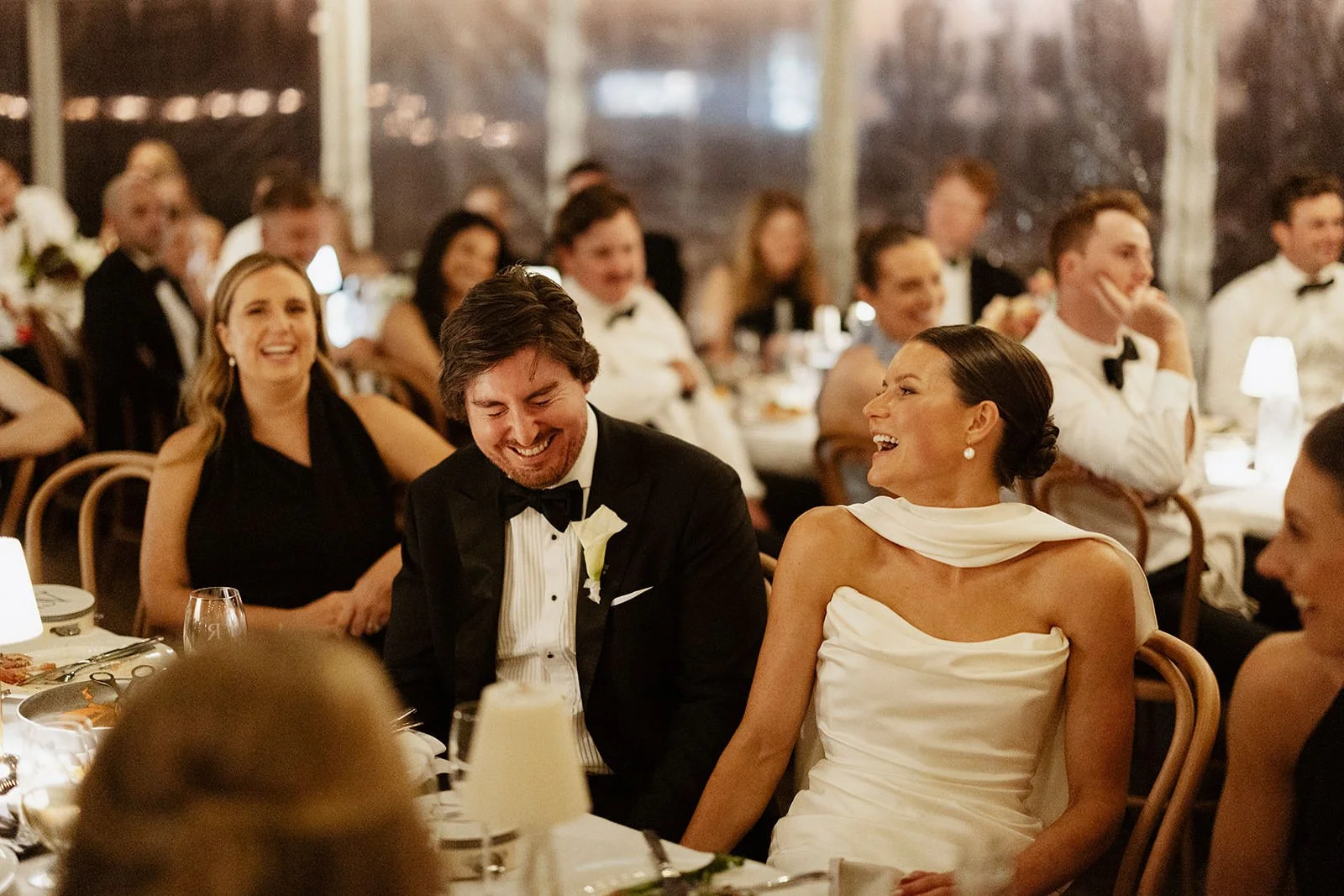
Months 6 to 4: Sort guest logistics early
This is where a regional wedding starts asking more of you than a city one would. Your guests need somewhere to stay, and in a smaller town, accommodation is genuinely limited. I've written a separate region-by-region guide to help with exactly this, but the short version is: start looking at accommodation options as soon as your date is locked, not six weeks out. Popular towns during peak wedding season book out.
This is also the window to think about transport. Are you organising a shuttle between accommodation and the venue? Is there a taxi or rideshare presence in the area at all (often there isn't, or it's limited)? Sorting this now, even loosely, saves your guests from figuring it out themselves later, usually badly.
Send save the dates in this window if you haven't already, with a clear note that accommodation is limited and worth booking early. Your guests will thank you for the heads up.
Months 3 to 1: Finalise the details
With the big structural decisions made, this stretch is about tightening everything. Confirm final numbers with your venue and caterer. Finalise your run sheet and share it with your vendor team so everyone, especially anyone travelling in on the day, knows the plan. Do a final walkthrough or call with your celebrant. If you haven't already, this is a good time for an engagement session, particularly if your photographer is regionally based and you'd like an excuse for another weekend away together before the big one.
Confirm accommodation numbers and any shuttle bookings. Chase down final headcounts for catering. And build in a buffer day either side of the wedding if you can, so travel doesn't feel rushed on either end.
The final stretch: give yourself a full weekend
Don't plan to drive up the morning of, and don't plan to drive home that night either. Arriving the day before gives you time to settle, do a final venue walkthrough without pressure, and actually enjoy a rehearsal dinner or casual gathering with the people who've made the trip. Staying an extra night afterwards means your wedding morning isn't clouded by a long drive looming at the end of it, and it gives you one quiet morning to actually process what just happened before you're back in the car.
A regional wedding asks a little more of your planning timeline than a local one does. But almost every couple I work with tells me the same thing afterwards: the trade off was worth it, for the setting, for the slower pace of the weekend, and for the way a destination pulls everyone properly out of their ordinary lives for a few days. Plan for the distance, not around it, and it stops feeling like a complication and starts feeling like part of the experience.
I'm Kirsten, a wedding photographer based in Orange, NSW, working across Orange, Mudgee, the Hunter Valley, the Blue Mountains, Canberra, and regional NSW more broadly. If you're planning a wedding from Sydney and want to talk through timelines, venues, or how the day tends to flow in your chosen region, get in touch.
Frequently asked questions
How far in advance should I plan a wedding in Mudgee or Orange from Sydney? Aim for a full 12 months, with your venue booked by month 10. Popular autumn and spring weekends in wine country get booked out 12 to 18 months ahead, so if you already have a date and a region in mind, lock in the venue first.
How do I find good wedding vendors when I don't live in the region? Lean on the vendor grapevine. Ask your venue for recommendations, since venues sit at the top of the regional booking chain and know who works well together, then meet a few vendors in person on the same trip you use to visit the venue.
Is it cheaper to hire local wedding vendors in regional NSW? Often, yes. Local vendors typically don't charge travel fees, which adds up once you're bringing in six or seven people from two or three hours away.
How far is Mudgee or Orange from Sydney for a wedding? Both sit around three to three and a half hours from Sydney by car, which makes them a proper weekend destination rather than a day trip for most guests.
When should wedding guests book accommodation for a regional wedding? As soon as the date and venue are confirmed, ideally flagged in your save the date. Regional towns have limited accommodation and it books out fast during peak wedding season.
Looking for some wedding inspiration? Check out the blog for realw eddings and planning tips.